
ຫີນແກຣນິດເປັນຫີນອັກຄະນີຊະນິດໜຶ່ງທີ່ຖືກຂຸດຄົ້ນມາເພື່ອຄວາມແຂງແຮງ, ຄວາມໜາແໜ້ນ, ຄວາມທົນທານ ແລະ ຄວາມຕ້ານທານຕໍ່ການກັດກ່ອນ. ແຕ່ຫີນແກຣນິດຍັງມີຄວາມຫຼາກຫຼາຍ - ມັນບໍ່ພຽງແຕ່ສຳລັບຮູບສີ່ຫຼ່ຽມມົນ ແລະ ຮູບສີ່ແຈສາກເທົ່ານັ້ນ! ໃນຄວາມເປັນຈິງ, ພວກເຮົາເຮັດວຽກຢ່າງໝັ້ນໃຈກັບອົງປະກອບຫີນແກຣນິດທີ່ຖືກອອກແບບມາເປັນຮູບຊົງ, ມຸມ ແລະ ເສັ້ນໂຄ້ງຂອງທຸກປະເພດເປັນປະຈຳ - ດ້ວຍຜົນໄດ້ຮັບທີ່ດີເລີດ.
Through our state of the art processing, cut surfaces can be exceptionally flat. These qualities make granite the ideal material to create custom-size and custom-design machine bases and metrology components. Granite is:
■ ສາມາດປຸງແຕ່ງໄດ້
■ ຮາບພຽງຢ່າງແນ່ນອນເມື່ອຕັດແລະສຳເລັດຮູບ
■ ທົນທານຕໍ່ສະໜິມ
■ ທົນທານ
■ ໃຊ້ໄດ້ດົນ
ສ່ວນປະກອບຂອງຫີນແກຣນິດຍັງງ່າຍຕໍ່ການເຮັດຄວາມສະອາດ. ເມື່ອສ້າງການອອກແບບຕາມຄວາມຕ້ອງການ, ໃຫ້ແນ່ໃຈວ່າໄດ້ເລືອກຫີນແກຣນິດເພື່ອຜົນປະໂຫຍດທີ່ດີກວ່າຂອງມັນ.
ມາດຕະຖານ / ການນຳໃຊ້ທີ່ມີການໃຊ້ສວມໃສ່ສູງ
ຫີນແກຣນິດທີ່ ZHHIMG ນຳໃຊ້ສຳລັບຜະລິດຕະພັນແຜ່ນພື້ນຜິວມາດຕະຖານຂອງພວກເຮົາມີປະລິມານ quartz ສູງ, ເຊິ່ງໃຫ້ຄວາມຕ້ານທານຕໍ່ການສວມໃສ່ ແລະ ຄວາມເສຍຫາຍໄດ້ດີກວ່າ. ສີ Superior Black ຂອງພວກເຮົາມີອັດຕາການດູດຊຶມນ້ຳຕ່ຳ, ເຊິ່ງຊ່ວຍຫຼຸດຜ່ອນຄວາມເປັນໄປໄດ້ທີ່ເຄື່ອງວັດແທກຄວາມແມ່ນຍຳຂອງທ່ານຈະເປັນສະໜິມໃນຂະນະທີ່ຕິດຕັ້ງຢູ່ເທິງແຜ່ນ. ສີຂອງຫີນແກຣນິດທີ່ ZHHIMG ສະເໜີໃຫ້ເຮັດໃຫ້ມີແສງຈ້າໜ້ອຍລົງ, ຊຶ່ງໝາຍຄວາມວ່າອາການເມື່ອຍລ້າຂອງສາຍຕາໜ້ອຍລົງສຳລັບບຸກຄົນທີ່ໃຊ້ແຜ່ນ. ພວກເຮົາໄດ້ເລືອກປະເພດຫີນແກຣນິດຂອງພວກເຮົາໃນຂະນະທີ່ພິຈາລະນາການຂະຫຍາຍຕົວທາງຄວາມຮ້ອນເພື່ອຮັກສາລັກສະນະນີ້ໃຫ້ໜ້ອຍທີ່ສຸດ.
CUSTOM APPLICATIONS
ເມື່ອຄໍາຮ້ອງສະຫມັກຂອງທ່ານຕ້ອງການແຜ່ນທີ່ມີຮູບຮ່າງທີ່ກໍາຫນົດເອງ, ແຜ່ນໃສ່ເກລียว, ຮ່ອງ ຫຼື ການເຄື່ອງຈັກອື່ນໆ, ທ່ານຈະຕ້ອງເລືອກວັດສະດຸເຊັ່ນ: ສີດຳ Jinan Black. ວັດສະດຸທໍາມະຊາດນີ້ມີຄວາມແຂງແກ່ນທີ່ດີກວ່າ, ການດູດຊຶມການສັ່ນສະເທືອນທີ່ດີເລີດ, ແລະ ການປັບປຸງຄວາມສາມາດໃນການເຄື່ອງຈັກ.
ສິ່ງສຳຄັນທີ່ຄວນສັງເກດຄື ສີພຽງຢ່າງດຽວບໍ່ໄດ້ເປັນຕົວຊີ້ບອກເຖິງຄຸນນະພາບທາງກາຍະພາບຂອງຫີນ. ໂດຍທົ່ວໄປ, ສີຂອງຫີນແກຣນິດແມ່ນກ່ຽວຂ້ອງໂດຍກົງກັບການມີ ຫຼື ບໍ່ມີແຮ່ທາດ, ເຊິ່ງອາດຈະບໍ່ມີຜົນກະທົບຕໍ່ຄຸນນະພາບທີ່ເຮັດໃຫ້ວັດສະດຸແຜ່ນໜ້າດິນດີ. ມີຫີນແກຣນິດສີບົວ, ສີເທົາ, ແລະ ສີດຳທີ່ດີເລີດສຳລັບແຜ່ນໜ້າດິນ, ເຊັ່ນດຽວກັນກັບຫີນແກຣນິດສີດຳ, ສີເທົາ, ແລະ ສີບົວທີ່ບໍ່ເໝາະສົມຢ່າງສິ້ນເຊີງສຳລັບການນຳໃຊ້ທີ່ມີຄວາມແມ່ນຍຳສູງ. ລັກສະນະທີ່ສຳຄັນຂອງຫີນແກຣນິດ, ຍ້ອນວ່າມັນກ່ຽວຂ້ອງກັບການນຳໃຊ້ເປັນວັດສະດຸແຜ່ນໜ້າດິນ, ບໍ່ມີຫຍັງກ່ຽວຂ້ອງກັບສີ, ແລະ ມີດັ່ງຕໍ່ໄປນີ້:
■ ຄວາມແຂງກະດ້າງ (ການບິດງໍພາຍໃຕ້ການໂຫຼດ - ສະແດງໂດຍໂມດູນຄວາມຍືດຫຍຸ່ນ)
■ ຄວາມແຂງ
■ ຄວາມໜາແໜ້ນ
■ ທົນທານຕໍ່ການສວມໃສ່
■ ສະຖຽນລະພາບ
■ ຄວາມพรຸນ
ພວກເຮົາໄດ້ທົດສອບວັດສະດຸແກຣນິດຫຼາຍຢ່າງ ແລະ ປຽບທຽບວັດສະດຸເຫຼົ່ານີ້. ສຸດທ້າຍພວກເຮົາໄດ້ຮັບຜົນໄດ້ຮັບ, ແກຣນິດສີດຳ Jinan ແມ່ນວັດສະດຸທີ່ດີທີ່ສຸດທີ່ພວກເຮົາເຄີຍຮູ້. ແກຣນິດສີດຳຂອງອິນເດຍ ແລະ ແກຣນິດອາຟຣິກາໃຕ້ແມ່ນຄ້າຍຄືກັບແກຣນິດສີດຳ Jinan, ແຕ່ຄຸນສົມບັດທາງກາຍະພາບຂອງມັນໜ້ອຍກວ່າແກຣນິດສີດຳ Jinan. ZHHIMG ຈະສືບຕໍ່ຊອກຫາວັດສະດຸແກຣນິດເພີ່ມເຕີມໃນໂລກ ແລະ ປຽບທຽບຄຸນສົມບັດທາງກາຍະພາບຂອງມັນ.
ກະລຸນາຕິດຕໍ່ພວກເຮົາເພື່ອສົນທະນາເພີ່ມເຕີມກ່ຽວກັບຫີນແກຣນິດທີ່ເໝາະສົມກັບໂຄງການຂອງທ່ານinfo@zhhimg.com.
ຜູ້ຜະລິດທີ່ແຕກຕ່າງກັນໃຊ້ມາດຕະຖານທີ່ແຕກຕ່າງກັນ. ມີຫຼາຍມາດຕະຖານໃນໂລກ.
ມາດຕະຖານ DIN, ASME B89.3.7-2013 ຫຼື ຂໍ້ກຳນົດລະດັບລັດຖະບານກາງ GGG-P-463c (ແຜ່ນພື້ນຜິວຫີນແກຣນິດ) ແລະອື່ນໆ ເປັນພື້ນຖານສຳລັບຂໍ້ກຳນົດສະເພາະຂອງພວກມັນ.
ແລະ ພວກເຮົາສາມາດຜະລິດແຜ່ນກວດສອບຄວາມແມ່ນຍໍາຂອງຫີນແກຣນິດຕາມຄວາມຕ້ອງການຂອງທ່ານ. ຍິນດີຕ້ອນຮັບການຕິດຕໍ່ພວກເຮົາຖ້າທ່ານຕ້ອງການຮູ້ຂໍ້ມູນເພີ່ມເຕີມກ່ຽວກັບມາດຕະຖານເພີ່ມເຕີມ.
ຄວາມຮາບພຽງສາມາດພິຈາລະນາໄດ້ວ່າເປັນຈຸດທັງໝົດເທິງໜ້າດິນທີ່ຢູ່ພາຍໃນສອງລະນາບຂະໜານກັນຄື ລະນາບພື້ນຖານ ແລະ ລະນາບຫຼັງຄາ. ການວັດແທກໄລຍະຫ່າງລະຫວ່າງລະນາບແມ່ນຄວາມຮາບໂດຍລວມຂອງໜ້າດິນ. ການວັດແທກຄວາມຮາບພຽງນີ້ມັກຈະມີຄວາມທົນທານ ແລະ ອາດຈະປະກອບມີການກຳນົດລະດັບຊັ້ນ.
ຕົວຢ່າງ, ຄວາມທົນທານຂອງຄວາມຮາບພຽງສຳລັບສາມຊັ້ນມາດຕະຖານແມ່ນໄດ້ກຳນົດໄວ້ໃນຂໍ້ກຳນົດຂອງລັດຖະບານກາງຕາມທີ່ກຳນົດໂດຍສູດຕໍ່ໄປນີ້:
■ ຊັ້ນຫ້ອງທົດລອງ AA = (40 + ມຸມສອງທາງຂວາງ/25) x .000001" (ຂ້າງດຽວ)
■ ຊັ້ນກວດກາ A = ຊັ້ນຫ້ອງທົດລອງ AA x 2
■ ຫ້ອງເຄື່ອງມື ຊັ້ນ B = ຊັ້ນຫ້ອງທົດລອງ AA x 4.
ສຳລັບແຜ່ນພື້ນຜິວຂະໜາດມາດຕະຖານ, ພວກເຮົາຮັບປະກັນຄວາມທົນທານຂອງຄວາມຮາບພຽງທີ່ເກີນຄວາມຕ້ອງການຂອງສະເປັກນີ້. ນອກເໜືອໄປຈາກຄວາມຮາບພຽງ, ASME B89.3.7-2013 & Federal Specification GGG-P-463c ກ່າວເຖິງຫົວຂໍ້ຕ່າງໆລວມທັງ: ຄວາມຖືກຕ້ອງຂອງການວັດແທກຊ້ຳໆ, ຄຸນສົມບັດຂອງວັດສະດຸຂອງຫີນແກຣນິດແຜ່ນພື້ນຜິວ, ການສຳເລັດຮູບພື້ນຜິວ, ຕຳແໜ່ງຈຸດຮອງຮັບ, ຄວາມແຂງ, ວິທີການກວດສອບທີ່ຍອມຮັບໄດ້, ການຕິດຕັ້ງແຜ່ນໃສ່ເກລียว, ແລະອື່ນໆ.
ແຜ່ນໜ້າດິນແກຣນິດ ແລະ ແຜ່ນກວດກາແກຣນິດ ZHHIMG ຕອບສະໜອງ ຫຼື ເກີນຄວາມຕ້ອງການທັງໝົດທີ່ກຳນົດໄວ້ໃນສະເປັກນີ້. ໃນປະຈຸບັນ, ຍັງບໍ່ມີສະເປັກທີ່ແນ່ນອນສຳລັບແຜ່ນມຸມແກຣນິດ, ແຜ່ນຂະໜານ, ຫຼື ແຜ່ນຮູບສີ່ຫຼ່ຽມແມ່ແບບ.
ແລະທ່ານສາມາດຊອກຫາສູດສຳລັບມາດຕະຖານອື່ນໆໄດ້ໃນດາວໂຫຼດ.
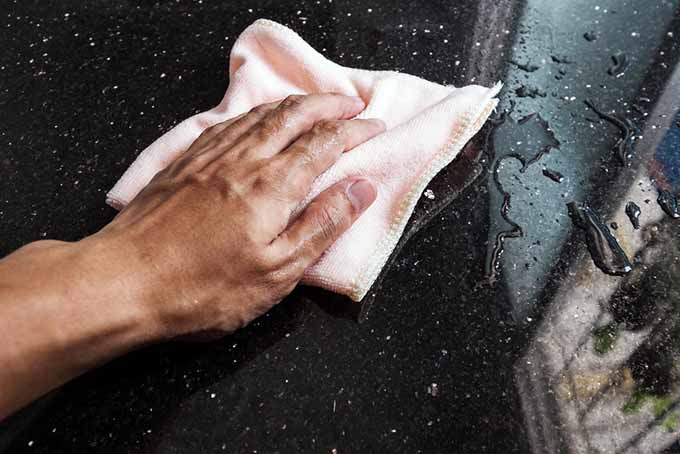
ກ່ອນອື່ນໝົດ, ມັນເປັນສິ່ງສຳຄັນທີ່ຈະຮັກສາແຜ່ນໃຫ້ສະອາດ. ຝຸ່ນຂັດທີ່ລອຍຢູ່ໃນອາກາດມັກຈະເປັນແຫຼ່ງທີ່ມາຂອງການສວມໃສ່ ແລະ ການຈີກຂາດທີ່ໃຫຍ່ທີ່ສຸດໃນແຜ່ນ, ເພາະມັນມັກຈະຝັງຢູ່ໃນຊິ້ນສ່ວນເຮັດວຽກ ແລະ ໜ້າຜິວສຳຜັດຂອງເຄື່ອງວັດແທກ. ອັນທີສອງ, ປົກແຜ່ນຂອງທ່ານເພື່ອປົກປ້ອງມັນຈາກຝຸ່ນ ແລະ ຄວາມເສຍຫາຍ. ອາຍຸການໃຊ້ງານສາມາດຍືດຍາວໄດ້ໂດຍການປົກແຜ່ນເມື່ອບໍ່ໄດ້ໃຊ້ງານ, ໂດຍການໝຸນແຜ່ນເປັນໄລຍະເພື່ອບໍ່ໃຫ້ພື້ນທີ່ດຽວຖືກນຳໃຊ້ຫຼາຍເກີນໄປ, ແລະ ໂດຍການປ່ຽນແຜ່ນສຳຜັດເຫຼັກໃນເຄື່ອງວັດແທກດ້ວຍແຜ່ນຄາໄບ. ນອກຈາກນີ້, ຫຼີກລ່ຽງການວາງອາຫານ ຫຼື ເຄື່ອງດື່ມທີ່ມີນ້ຳຕານໃສ່ແຜ່ນ. ໃຫ້ສັງເກດວ່າເຄື່ອງດື່ມທີ່ມີນ້ຳຕານຫຼາຍຊະນິດມີທັງກົດຄາບອນນິກ ຫຼື ກົດຟອສຟໍຣິກ, ເຊິ່ງສາມາດລະລາຍແຮ່ທາດທີ່ອ່ອນກວ່າ ແລະ ເຮັດໃຫ້ເກີດຂຸມນ້ອຍໆຢູ່ໃນໜ້າຜິວ.
ອັນນີ້ແມ່ນຂຶ້ນກັບວິທີການໃຊ້ຈານ. ຖ້າເປັນໄປໄດ້, ພວກເຮົາແນະນຳໃຫ້ທຳຄວາມສະອາດຈານໃນຕອນເລີ່ມຕົ້ນຂອງມື້ (ຫຼື ເວລາເຮັດວຽກ) ແລະ ອີກຄັ້ງໃນຕອນທ້າຍມື້. ຖ້າຈານເປື້ອນ, ໂດຍສະເພາະກັບນ້ຳມັນທີ່ມີນ້ຳມັນ ຫຼື ໜຽວ, ມັນຄວນຈະຖືກທຳຄວາມສະອາດທັນທີ.
ທຳຄວາມສະອາດແຜ່ນເປັນປະຈຳດ້ວຍນ້ຳ ຫຼື ນ້ຳຢາທຳຄວາມສະອາດແຜ່ນພື້ນຜິວແບບບໍ່ໃຊ້ນ້ຳ ZHHIMG. ການເລືອກນ້ຳຢາທຳຄວາມສະອາດແມ່ນມີຄວາມສຳຄັນ. ຖ້າໃຊ້ຕົວລະລາຍທີ່ລະເຫີຍໄດ້ງ່າຍ (ອາເຊໂຕນ, ນ້ຳຢາລະລາຍແລັກເກີ, ເຫຼົ້າ, ແລະອື່ນໆ) ການລະເຫີຍຈະເຮັດໃຫ້ພື້ນຜິວເຢັນລົງ ແລະ ບິດເບືອນ. ໃນກໍລະນີນີ້, ມັນຈຳເປັນຕ້ອງປ່ອຍໃຫ້ແຜ່ນກັບຄືນສູ່ສະພາບປົກກະຕິກ່ອນທີ່ຈະໃຊ້ມັນ ຖ້າບໍ່ດັ່ງນັ້ນຈະເກີດຄວາມຜິດພາດໃນການວັດແທກ.
ປະລິມານເວລາທີ່ຕ້ອງການເພື່ອໃຫ້ແຜ່ນກັບຄືນສູ່ສະພາບປົກກະຕິຈະແຕກຕ່າງກັນໄປຕາມຂະໜາດຂອງແຜ່ນ ແລະ ປະລິມານຂອງການເຮັດໃຫ້ເຢັນ. ໜຶ່ງຊົ່ວໂມງຄວນຈະພຽງພໍສຳລັບແຜ່ນຂະໜາດນ້ອຍກວ່າ. ອາດຈະຕ້ອງໃຊ້ສອງຊົ່ວໂມງສຳລັບແຜ່ນຂະໜາດໃຫຍ່ກວ່າ. ຖ້າໃຊ້ນໍ້າຢາເຮັດຄວາມສະອາດທີ່ມີສ່ວນປະກອບຂອງນໍ້າ, ກໍຈະມີການເຮັດໃຫ້ເຢັນແບບລະເຫີຍເຊັ່ນກັນ.
ແຜ່ນດັ່ງກ່າວຍັງຈະກັກເກັບນ້ຳໄວ້, ແລະ ສິ່ງນີ້ອາດຈະເຮັດໃຫ້ເກີດການເກີດສະໜິມຂອງຊິ້ນສ່ວນໂລຫະທີ່ສຳຜັດກັບພື້ນຜິວ. ນ້ຳຢາທຳຄວາມສະອາດບາງຊະນິດຍັງຈະປະໄວ້ສິ່ງເສດເຫຼືອທີ່ໜຽວຫຼັງຈາກທີ່ພວກມັນແຫ້ງ, ເຊິ່ງຈະດຶງດູດຝຸ່ນທີ່ລອຍຢູ່ໃນອາກາດ, ແລະ ຕົວຈິງແລ້ວເພີ່ມການສວມໃສ່, ແທນທີ່ຈະຫຼຸດລົງ.
ອັນນີ້ແມ່ນຂຶ້ນກັບການນຳໃຊ້ແຜ່ນ ແລະ ສະພາບແວດລ້ອມ. ພວກເຮົາແນະນຳໃຫ້ແຜ່ນໃໝ່ ຫຼື ອຸປະກອນເສີມຫີນແກຣນິດທີ່ມີຄວາມແມ່ນຍຳສູງໄດ້ຮັບການປັບທຽບຄືນໃໝ່ຢ່າງຄົບຖ້ວນພາຍໃນໜຶ່ງປີຫຼັງຈາກຊື້. ຖ້າແຜ່ນໜ້າດິນຫີນແກຣນິດຈະຖືກນຳໃຊ້ຢ່າງຫຼວງຫຼາຍ, ມັນອາດຈະແນະນຳໃຫ້ຫຼຸດໄລຍະເວລານີ້ລົງເປັນຫົກເດືອນ. ການກວດກາປະຈຳເດືອນສຳລັບຄວາມຜິດພາດໃນການວັດແທກຊ້ຳໆໂດຍໃຊ້ເຄື່ອງວັດແທກລະດັບເອເລັກໂຕຣນິກ ຫຼື ອຸປະກອນທີ່ຄ້າຍຄືກັນຈະສະແດງຈຸດສວມໃສ່ທີ່ພັດທະນາຂຶ້ນ ແລະ ໃຊ້ເວລາພຽງແຕ່ສອງສາມນາທີເທົ່ານັ້ນ. ຫຼັງຈາກຜົນຂອງການວັດແທກຄືນໃໝ່ຄັ້ງທຳອິດຖືກກຳນົດແລ້ວ, ໄລຍະເວລາການປັບທຽບອາດຈະຖືກຂະຫຍາຍ ຫຼື ຫຼຸດລົງຕາມທີ່ອະນຸຍາດ ຫຼື ກຳນົດໂດຍລະບົບຄຸນນະພາບພາຍໃນຂອງທ່ານ.
ພວກເຮົາສາມາດສະເໜີບໍລິການເພື່ອຊ່ວຍທ່ານກວດກາ ແລະ ປັບລະດັບແຜ່ນໜ້າດິນແກຣນິດຂອງທ່ານ.

ມີຫຼາຍສາເຫດທີ່ເປັນໄປໄດ້ສຳລັບການປ່ຽນແປງລະຫວ່າງການວັດແທກ:
- ພື້ນຜິວໄດ້ຖືກລ້າງດ້ວຍນໍ້າຮ້ອນ ຫຼື ເຢັນກ່ອນການປັບທຽບ, ແລະ ບໍ່ໄດ້ຮັບເວລາພຽງພໍທີ່ຈະເຮັດໃຫ້ເປັນປົກກະຕິ.
- ແຜ່ນດັ່ງກ່າວຖືກຮອງຮັບບໍ່ຖືກຕ້ອງ
- ການປ່ຽນແປງຂອງອຸນຫະພູມ
- ຮ່າງ
- ແສງແດດໂດຍກົງ ຫຼື ຄວາມຮ້ອນອື່ນໆຢູ່ເທິງໜ້າດິນຂອງແຜ່ນ. ໃຫ້ແນ່ໃຈວ່າໄຟສ່ອງສະຫວ່າງເທິງຫົວບໍ່ໄດ້ເຮັດໃຫ້ໜ້າດິນຮ້ອນຂຶ້ນ
- ການປ່ຽນແປງຂອງອຸນຫະພູມແນວຕັ້ງລະຫວ່າງລະດູໜາວ ແລະ ລະດູຮ້ອນ (ຖ້າເປັນໄປໄດ້, ໃຫ້ຮູ້ອຸນຫະພູມແນວຕັ້ງໃນເວລາທີ່ດຳເນີນການປັບທຽບ.)
- ແຜ່ນບໍ່ໄດ້ຮັບອະນຸຍາດໃຫ້ມີເວລາພຽງພໍທີ່ຈະເປັນປົກກະຕິຫຼັງຈາກການຂົນສົ່ງ
- ການໃຊ້ອຸປະກອນກວດກາທີ່ບໍ່ຖືກຕ້ອງ ຫຼື ການໃຊ້ອຸປະກອນທີ່ບໍ່ໄດ້ຮັບການປັບທຽບ
- ການປ່ຽນແປງພື້ນຜິວທີ່ເປັນຜົນມາຈາກການສວມໃສ່
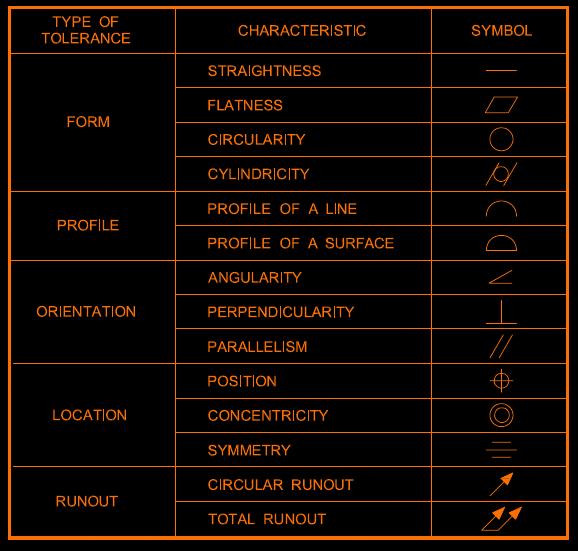
ມີຮູຈັກຊະນິດຢູ່ເທິງຫີນແກຣນິດທີ່ມີຄວາມແມ່ນຍໍາ?
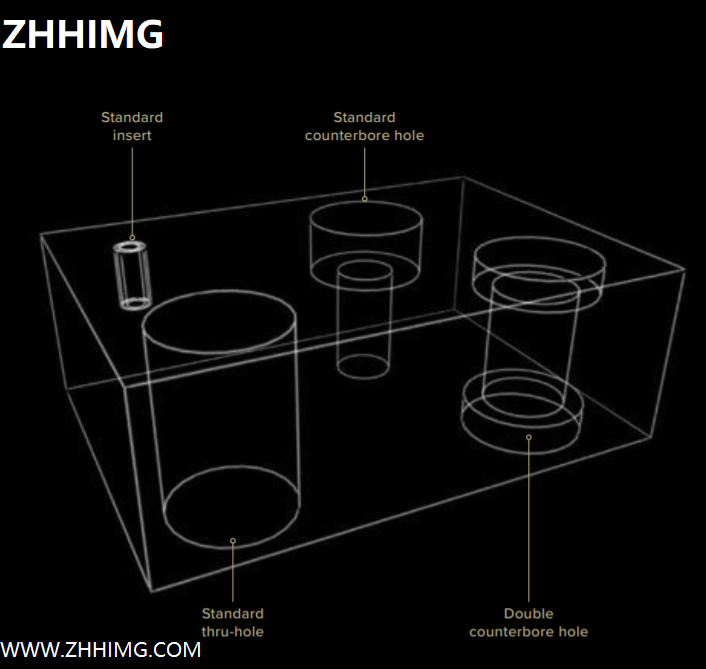
ຊ່ອງຫວ່າງໃນອົງປະກອບ Granite ທີ່ມີຄວາມແມ່ນຍໍາສູງ
ສຳລັບໂຮງງານ, ຫ້ອງກວດກາ ແລະ ຫ້ອງທົດລອງຫຼາຍແຫ່ງ, ແຜ່ນໜ້າດິນແກຣນິດທີ່ມີຄວາມແມ່ນຍຳສູງແມ່ນອາໄສເປັນພື້ນຖານສຳລັບການວັດແທກທີ່ຖືກຕ້ອງ. ເນື່ອງຈາກການວັດແທກເສັ້ນຊື່ແຕ່ລະອັນແມ່ນຂຶ້ນກັບໜ້າດິນອ້າງອີງທີ່ຖືກຕ້ອງທີ່ເອົາຂະໜາດສຸດທ້າຍມາ, ແຜ່ນໜ້າດິນຈຶ່ງໃຫ້ພື້ນຜິວອ້າງອີງທີ່ດີທີ່ສຸດສຳລັບການກວດກາວຽກງານ ແລະ ຮູບແບບກ່ອນການເຄື່ອງຈັກ. ພວກມັນຍັງເປັນພື້ນຖານທີ່ເໝາະສົມສຳລັບການວັດແທກຄວາມສູງ ແລະ ໜ້າດິນວັດແທກ. ນອກຈາກນັ້ນ, ລະດັບຄວາມຮາບພຽງ, ຄວາມໝັ້ນຄົງ, ຄຸນນະພາບໂດຍລວມ ແລະ ຝີມືການຜະລິດທີ່ສູງເຮັດໃຫ້ພວກມັນເປັນທາງເລືອກທີ່ດີສຳລັບການຕິດຕັ້ງລະບົບການວັດແທກກົນຈັກ, ເອເລັກໂຕຣນິກ ແລະ ທາງແສງທີ່ຊັບຊ້ອນ. ສຳລັບຂະບວນການວັດແທກໃດໆເຫຼົ່ານີ້, ມັນເປັນສິ່ງຈຳເປັນທີ່ຈະຕ້ອງຮັກສາແຜ່ນໜ້າດິນໃຫ້ຖືກປັບທຽບ.
Repeat Measurements and Flatness
ທັງຄວາມຮາບພຽງ ແລະ ການວັດແທກຊ້ຳໆ ແມ່ນມີຄວາມສຳຄັນຫຼາຍເພື່ອຮັບປະກັນພື້ນຜິວທີ່ມີຄວາມແມ່ນຍຳສູງ. ຄວາມຮາບພຽງສາມາດພິຈາລະນາໄດ້ວ່າເປັນຈຸດທັງໝົດເທິງພື້ນຜິວທີ່ຢູ່ພາຍໃນສອງລະນາບຂະໜານກັນ, ລະນາບພື້ນຖານ ແລະ ລະນາບຫຼັງຄາ. ການວັດແທກໄລຍະຫ່າງລະຫວ່າງລະນາບແມ່ນຄວາມຮາບໂດຍລວມຂອງພື້ນຜິວ. ການວັດແທກຄວາມຮາບພຽງນີ້ມັກຈະມີຄວາມທົນທານ ແລະ ອາດຈະປະກອບມີການກຳນົດລະດັບຊັ້ນ.
The flatness tolerances for three standard grades are defined in the federal specification as determined by the following formula:
ມາດຕະຖານ DIN, ມາດຕະຖານ GB, ມາດຕະຖານ ASME, ມາດຕະຖານ JJS... ປະເທດທີ່ແຕກຕ່າງກັນດ້ວຍຈຸດຢືນທີ່ແຕກຕ່າງກັນ...
ລາຍລະອຽດເພີ່ມເຕີມກ່ຽວກັບມາດຕະຖານ.
In addition to flatness, repeatability must be ensured. A repeat measurement is a measurement of local flatness areas. It is a measurement taken anywhere on the surface of a plate that will repeat within the stated tolerance. Controlling local area flatness to a tighter tolerance than overall flatness guarantees a gradual change in surface flatness profile, thereby minimizing local errors.
ເພື່ອຮັບປະກັນວ່າແຜ່ນໜ້າດິນຕອບສະໜອງທັງຄວາມຮາບພຽງ ແລະ ການວັດແທກຊ້ຳໆ, ຜູ້ຜະລິດແຜ່ນໜ້າດິນແກຣນິດຄວນໃຊ້ມາດຕະຖານລະດັບລັດຖະບານກາງ GGG-P-463c ເປັນພື້ນຖານສຳລັບຂໍ້ມູນສະເພາະຂອງເຂົາເຈົ້າ. ມາດຕະຖານນີ້ກ່າວເຖິງຄວາມຖືກຕ້ອງຂອງການວັດແທກຊ້ຳໆ, ຄຸນສົມບັດຂອງວັດສະດຸຂອງແຜ່ນໜ້າດິນແກຣນິດ, ການສຳເລັດຮູບໜ້າດິນ, ຕຳແໜ່ງຈຸດຮອງຮັບ, ຄວາມແຂງ, ວິທີການກວດສອບທີ່ຍອມຮັບໄດ້ ແລະ ການຕິດຕັ້ງແຜ່ນໃສ່ເກຼียว.
Checking Plate Accuracy
ໂດຍການປະຕິບັດຕາມຄຳແນະນຳງ່າຍໆສອງສາມຢ່າງ, ການລົງທຶນໃນແຜ່ນໜ້າດິນແກຣນິດຄວນຈະຢູ່ໄດ້ຫຼາຍປີ. ຂຶ້ນກັບການນຳໃຊ້ແຜ່ນ, ສະພາບແວດລ້ອມຂອງຮ້ານ ແລະ ຄວາມຖືກຕ້ອງທີ່ຕ້ອງການ, ຄວາມຖີ່ຂອງການກວດສອບຄວາມຖືກຕ້ອງຂອງແຜ່ນໜ້າດິນຈະແຕກຕ່າງກັນ. ກົດລະບຽບທົ່ວໄປແມ່ນໃຫ້ແຜ່ນໃໝ່ໄດ້ຮັບການປັບທຽບໃໝ່ພາຍໃນໜຶ່ງປີຫຼັງຈາກຊື້. ຖ້າແຜ່ນດັ່ງກ່າວຖືກນຳໃຊ້ເລື້ອຍໆ, ຄວນຫຼຸດໄລຍະເວລານີ້ລົງເຫຼືອຫົກເດືອນ.
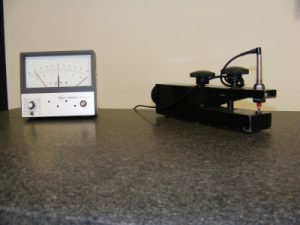
Before a surface plate has worn beyond specification for overall flatness, it will show worn or wavy posts. Monthly inspection for repeat measurement errors using a repeat reading gage will identify wear spots. A repeat reading gage is a high-precision instrument that detects local error and can be displayed on a high magnification electronic amplifier.
An effective inspection program should include regular checks with an autocollimator, providing actual calibration of overall flatness traceable to National Institute of Standards and Technology (NIST). Comprehensive calibration by the manufacturer or an independent company is necessary from time to time.
Variations Between Calibrations
ໃນບາງກໍລະນີ, ມີການປ່ຽນແປງລະຫວ່າງການວັດແທກພື້ນຜິວ. ບາງຄັ້ງປັດໃຈຕ່າງໆເຊັ່ນ: ການປ່ຽນແປງພື້ນຜິວທີ່ເກີດຈາກການສວມໃສ່, ການໃຊ້ອຸປະກອນກວດກາທີ່ບໍ່ຖືກຕ້ອງ ຫຼື ການໃຊ້ອຸປະກອນທີ່ບໍ່ໄດ້ຮັບການວັດແທກສາມາດເປັນສາເຫດຂອງການປ່ຽນແປງເຫຼົ່ານີ້. ຢ່າງໃດກໍຕາມ, ສອງປັດໄຈທີ່ພົບເລື້ອຍທີ່ສຸດແມ່ນອຸນຫະພູມ ແລະ ການຮອງຮັບ.
One of the most important variables is temperature. For instance, the surface might have been washed with a hot or cold solution prior to calibration and not allowed sufficient time to normalize. Other causes of temperature change include drafts of cold or hot air, direct sunlight, overhead lighting or other sources of radiant heat on the surface of the plate.
There also can be variations in the vertical temperature gradient between winter and summer. In some cases, the plate is not allowed sufficient time to normalize after shipment. It is a good idea to record the vertical gradient temperature at the time the calibration is performed.
Another common cause for calibration variation is a plate that is improperly supported. A surface plate should be supported at three points, ideally located 20% of the length in from the ends of the plate. Two supports should be located 20% of the width in from the long sides, and the remaining support should be centered.
Only three points can rest solidly on anything but a precision surface. Attempting to support the plate at more than three points will cause the plate to receive its support from various combinations of three points, which will not be the same three points on which it was supported during production. This will introduce errors as the plate deflects to conform to the new support arrangement. Consider using steel stands with support beams designed to line up with the proper support points. Stands for this purpose are generally available from the surface plate manufacturer.
If the plate is properly supported, precise leveling is only necessary if an application specifies it. Leveling is not necessary to maintain the accuracy of a properly supported plate.
Extend Plate Life
ການປະຕິບັດຕາມຄໍາແນະນໍາບາງຢ່າງຈະຊ່ວຍຫຼຸດຜ່ອນການສວມໃສ່ເທິງແຜ່ນພື້ນຜິວຫີນແກຣນິດ ແລະ ໃນທີ່ສຸດກໍ່ຈະຍືດອາຍຸການໃຊ້ງານຂອງມັນໄດ້.
ກ່ອນອື່ນໝົດ, ມັນເປັນສິ່ງສຳຄັນທີ່ຈະຮັກສາແຜ່ນໃຫ້ສະອາດ. ຝຸ່ນຂັດທີ່ລອຍຢູ່ໃນອາກາດມັກຈະເປັນແຫຼ່ງທີ່ມາຂອງການສວມໃສ່ ແລະ ການຈີກຂາດທີ່ໃຫຍ່ທີ່ສຸດໃນແຜ່ນ, ເພາະມັນມັກຈະຝັງຢູ່ໃນຊິ້ນວຽກ ແລະ ໜ້າຜິວສຳຜັດຂອງເຄື່ອງວັດແທກ.
It also is important to cover plates to protect it from dust and damage. Wear life can be extended by covering the plate when not in use.
ໝຸນແຜ່ນເປັນໄລຍະໆ ເພື່ອບໍ່ໃຫ້ໃຊ້ພື້ນທີ່ດຽວຫຼາຍເກີນໄປ. ນອກຈາກນີ້, ແນະນຳໃຫ້ປ່ຽນແຜ່ນສຳຜັດເຫຼັກໃນເຄື່ອງວັດແທກດ້ວຍແຜ່ນຄາໄບ.
Avoid setting food or soft drinks on the plate. Many soft drinks contain either carbonic or phosphoric acid, which can dissolve the softer minerals and leave small pits in the surface.
Where to Relap
ເມື່ອແຜ່ນໜ້າດິນແກຣນິດຕ້ອງການການປັບໜ້າດິນໃໝ່, ໃຫ້ພິຈາລະນາວ່າຈະໃຫ້ບໍລິການນີ້ຢູ່ໃນສະຖານທີ່ ຫຼື ຢູ່ໃນສະຖານທີ່ປັບລະດັບ. ມັນດີກວ່າທີ່ຈະໃຫ້ແຜ່ນຖືກປັບໜ້າດິນໃໝ່ຢູ່ໂຮງງານ ຫຼື ສະຖານທີ່ສະເພາະ. ຢ່າງໃດກໍຕາມ, ຖ້າແຜ່ນບໍ່ໄດ້ສວມໃສ່ຫຼາຍເກີນໄປ, ໂດຍທົ່ວໄປແລ້ວຢູ່ພາຍໃນ 0.001 ນິ້ວຂອງຄວາມທົນທານທີ່ຕ້ອງການ, ມັນສາມາດປັບໜ້າດິນໃໝ່ໄດ້ຢູ່ໃນສະຖານທີ່. ຖ້າແຜ່ນຖືກສວມໃສ່ຈົນເຖິງຈຸດທີ່ມັນເກີນຄວາມທົນທານຫຼາຍກວ່າ 0.001 ນິ້ວ, ຫຼື ຖ້າມັນເປັນຮູ ຫຼື ຮອຍແຕກບໍ່ດີ, ມັນຄວນຖືກສົ່ງໄປໂຮງງານເພື່ອບົດກ່ອນທີ່ຈະປັບໜ້າດິນໃໝ່.
A calibration facility has the equipment and factory setting providing the optimum conditions for proper plate calibration and rework if necessary.
ຄວນລະມັດລະວັງເປັນຢ່າງຍິ່ງໃນການເລືອກຊ່າງເຕັກນິກການປັບທຽບ ແລະ ການປູໜ້າດິນຄືນໃໝ່ຢູ່ໃນສະຖານທີ່. ຂໍການຮັບຮອງ ແລະ ກວດສອບວ່າອຸປະກອນທີ່ຊ່າງເຕັກນິກຈະໃຊ້ມີການປັບທຽບທີ່ສາມາດຕິດຕາມໄດ້. ປະສົບການຍັງເປັນປັດໄຈສຳຄັນ, ເພາະມັນໃຊ້ເວລາຫຼາຍປີເພື່ອຮຽນຮູ້ວິທີການຕອກຫີນແກຣນິດທີ່ມີຄວາມແມ່ນຍຳຢ່າງຖືກຕ້ອງ.
Critical measurements start with a precision granite surface plate as a baseline. By ensuring a reliable reference by using a properly calibrated surface plate, manufacturers have one of the essential tools for reliable measurements and better quality parts.Q
Checklist for Calibration Variations
1. ພື້ນຜິວໄດ້ຖືກລ້າງດ້ວຍນ້ຳຮ້ອນ ຫຼື ນ້ຳເຢັນກ່ອນການປັບທຽບ ແລະ ບໍ່ໄດ້ຮັບເວລາພຽງພໍທີ່ຈະເຮັດໃຫ້ເປັນປົກກະຕິ.
2. ແຜ່ນດັ່ງກ່າວຖືກຮອງຮັບບໍ່ຖືກຕ້ອງ.
3. ການປ່ຽນແປງຂອງອຸນຫະພູມ.
4. ຮ່າງ.
5. ແສງແດດໂດຍກົງ ຫຼື ຄວາມຮ້ອນອື່ນໆສ່ອງໃສ່ໜ້າດິນຂອງແຜ່ນ. ໃຫ້ແນ່ໃຈວ່າໄຟສ່ອງທາງເທິງບໍ່ໄດ້ເຮັດໃຫ້ໜ້າດິນຮ້ອນຂຶ້ນ.
6. ການປ່ຽນແປງຂອງອຸນຫະພູມແນວຕັ້ງລະຫວ່າງລະດູໜາວ ແລະ ລະດູຮ້ອນ. ຖ້າເປັນໄປໄດ້, ໃຫ້ຮູ້ອຸນຫະພູມແນວຕັ້ງໃນເວລາທີ່ດຳເນີນການປັບທຽບ.
7. ແຜ່ນບໍ່ໄດ້ຮັບອະນຸຍາດໃຫ້ມີເວລາພຽງພໍທີ່ຈະເປັນປົກກະຕິຫຼັງຈາກການຂົນສົ່ງ.
8. ການໃຊ້ອຸປະກອນກວດກາທີ່ບໍ່ຖືກຕ້ອງ ຫຼື ການໃຊ້ອຸປະກອນທີ່ບໍ່ໄດ້ຮັບການປັບທຽບ.
9. ການປ່ຽນແປງພື້ນຜິວທີ່ເປັນຜົນມາຈາກການສວມໃສ່.
Tech Tips
- ເນື່ອງຈາກການວັດແທກເສັ້ນຊື່ແຕ່ລະອັນແມ່ນຂຶ້ນກັບໜ້າດິນອ້າງອີງທີ່ຖືກຕ້ອງເຊິ່ງມິຕິສຸດທ້າຍຖືກນຳມາໃຊ້, ແຜ່ນໜ້າດິນຈຶ່ງໃຫ້ພື້ນຜິວອ້າງອີງທີ່ດີທີ່ສຸດສຳລັບການກວດກາວຽກງານ ແລະ ຮູບແບບກ່ອນການເຄື່ອງຈັກ.
- Controlling local area flatness to a tighter tolerance than overall flatness guarantees a gradual change in surface flatness profile, thereby minimizing local errors.
- ໂຄງການກວດກາທີ່ມີປະສິດທິພາບຄວນປະກອບມີການກວດສອບເປັນປະຈຳດ້ວຍເຄື່ອງວັດແທກອັດຕະໂນມັດ, ເຊິ່ງໃຫ້ການປັບທຽບຄວາມລຽບໂດຍລວມຕົວຈິງທີ່ສາມາດຕິດຕາມໄດ້ໄປຍັງອົງການກວດກາແຫ່ງຊາດ.
ໃນບັນດາອະນຸພາກແຮ່ທາດທີ່ປະກອບເປັນຫີນແກຣນິດ, ຫຼາຍກວ່າ 90% ແມ່ນຫີນເຟວສະປາ ແລະ ຫີນຄວດສ໌, ເຊິ່ງເຟວສະປາຫຼາຍທີ່ສຸດ. ຫີນເຟວສະປາມັກຈະມີສີຂາວ, ສີເທົາ, ແລະສີແດງເຂັ້ມ, ແລະຫີນຄວດສ໌ສ່ວນຫຼາຍແມ່ນບໍ່ມີສີ ຫຼື ສີຂາວເທົາ, ເຊິ່ງເປັນສີພື້ນຖານຂອງຫີນແກຣນິດ. ເຟວສະປາ ແລະ ຫີນຄວດສ໌ເປັນແຮ່ທາດແຂງ, ແລະມັນຍາກທີ່ຈະເຄື່ອນຍ້າຍດ້ວຍມີດເຫຼັກ. ສຳລັບຈຸດດຳໃນຫີນແກຣນິດ, ສ່ວນໃຫຍ່ແມ່ນຫີນໄມກາສີດຳ, ຍັງມີແຮ່ທາດອື່ນໆບາງຊະນິດ. ເຖິງແມ່ນວ່າໄບໂອໄທດ໌ຈະຂ້ອນຂ້າງອ່ອນ, ແຕ່ຄວາມສາມາດໃນການຕ້ານທານຄວາມກົດດັນຂອງມັນບໍ່ອ່ອນແອ, ແລະໃນເວລາດຽວກັນພວກມັນມີປະລິມານໜ້ອຍໃນຫີນແກຣນິດ, ມັກຈະໜ້ອຍກວ່າ 10%. ນີ້ແມ່ນສະພາບວັດສະດຸທີ່ຫີນແກຣນິດມີຄວາມແຂງແຮງເປັນພິເສດ.
ອີກເຫດຜົນໜຶ່ງທີ່ເຮັດໃຫ້ຫີນແກຣນິດແຂງແຮງແມ່ນຍ້ອນວ່າອະນຸພາກແຮ່ທາດຂອງມັນຖືກຜູກມັດກັນຢ່າງແໜ້ນໜາ ແລະ ຝັງຢູ່ໃນກັນ. ຮູຂຸມຂົນມັກຈະມີຂະໜາດໜ້ອຍກວ່າ 1% ຂອງປະລິມານທັງໝົດຂອງຫີນ. ສິ່ງນີ້ເຮັດໃຫ້ຫີນແກຣນິດສາມາດຕ້ານທານກັບແຮງກົດດັນທີ່ແຮງ ແລະ ບໍ່ຊຶມເຂົ້າໄດ້ງ່າຍຈາກຄວາມຊຸ່ມຊື່ນ.
ສ່ວນປະກອບຂອງຫີນແກຣນິດແມ່ນເຮັດດ້ວຍຫີນທີ່ບໍ່ມີສະໜິມ, ທົນທານຕໍ່ກົດ ແລະ ດ່າງ, ທົນທານຕໍ່ການສວມໃສ່ທີ່ດີ ແລະ ມີອາຍຸການໃຊ້ງານທີ່ຍາວນານ, ບໍ່ມີການບຳລຸງຮັກສາພິເສດ. ສ່ວນປະກອບຄວາມແມ່ນຍໍາຂອງຫີນແກຣນິດສ່ວນຫຼາຍແມ່ນໃຊ້ໃນເຄື່ອງມືຂອງອຸດສາຫະກໍາເຄື່ອງຈັກ. ດັ່ງນັ້ນ, ພວກມັນຖືກເອີ້ນວ່າສ່ວນປະກອບຄວາມແມ່ນຍໍາຂອງຫີນແກຣນິດ ຫຼື ສ່ວນປະກອບຫີນແກຣນິດ. ລັກສະນະຂອງສ່ວນປະກອບຄວາມແມ່ນຍໍາຂອງຫີນແກຣນິດແມ່ນຄືກັນກັບຂອງເວທີຫີນແກຣນິດ. ການແນະນຳເຄື່ອງມື ແລະ ການວັດແທກສ່ວນປະກອບຄວາມແມ່ນຍໍາຂອງຫີນແກຣນິດ: ເຕັກໂນໂລຊີເຄື່ອງຈັກທີ່ມີຄວາມແມ່ນຍໍາ ແລະ ເຄື່ອງຈັກຈຸນລະພາກແມ່ນທິດທາງການພັດທະນາທີ່ສໍາຄັນຂອງອຸດສາຫະກໍາການຜະລິດເຄື່ອງຈັກ, ແລະ ພວກມັນໄດ້ກາຍເປັນຕົວຊີ້ວັດທີ່ສໍາຄັນໃນການວັດແທກລະດັບເຕັກໂນໂລຢີທີ່ສູງ. ການພັດທະນາເຕັກໂນໂລຢີທີ່ທັນສະໄໝ ແລະ ອຸດສາຫະກໍາປ້ອງກັນປະເທດແມ່ນແຍກອອກຈາກເຕັກໂນໂລຊີເຄື່ອງຈັກທີ່ມີຄວາມແມ່ນຍໍາ ແລະ ເຄື່ອງຈັກຈຸນລະພາກ. ສ່ວນປະກອບຫີນແກຣນິດສາມາດເລື່ອນໄດ້ຢ່າງລຽບງ່າຍໃນການວັດແທກ, ໂດຍບໍ່ມີການຢຸດນິ້ງ. ການວັດແທກພື້ນຜິວເຮັດວຽກ, ຮອຍຂີດຂ່ວນທົ່ວໄປບໍ່ມີຜົນກະທົບຕໍ່ຄວາມຖືກຕ້ອງຂອງການວັດແທກ. ສ່ວນປະກອບຫີນແກຣນິດຈໍາເປັນຕ້ອງໄດ້ຮັບການອອກແບບ ແລະ ຜະລິດຕາມຄວາມຕ້ອງການຂອງຝ່າຍຄວາມຕ້ອງການ.
ຂົງເຂດຄໍາຮ້ອງສະຫມັກ:
ດັ່ງທີ່ພວກເຮົາທຸກຄົນຮູ້ກັນວ່າເຄື່ອງຈັກແລະອຸປະກອນຫຼາຍຂຶ້ນກໍາລັງເລືອກສ່ວນປະກອບຂອງຫີນແກຣນິດທີ່ມີຄວາມແມ່ນຍໍາສູງ.
ອົງປະກອບຂອງຫີນແກຣນິດແມ່ນໃຊ້ສໍາລັບການເຄື່ອນໄຫວແບບໄດນາມິກ, ມໍເຕີເສັ້ນຊື່, cmm, cnc, ເຄື່ອງເລເຊີ ...
ຍິນດີຕ້ອນຮັບທີ່ຕິດຕໍ່ພວກເຮົາສໍາລັບຂໍ້ມູນເພີ່ມເຕີມ.
ອຸປະກອນວັດແທກແກຣນິດ ແລະ ອົງປະກອບກົນຈັກແກຣນິດແມ່ນເຮັດດ້ວຍແກຣນິດດຳ Jinan ທີ່ມີຄຸນນະພາບສູງ. ເນື່ອງຈາກຄວາມແມ່ນຍໍາສູງ, ອາຍຸການໃຊ້ງານທີ່ຍາວນານ, ຄວາມໝັ້ນຄົງທີ່ດີ ແລະ ຄວາມຕ້ານທານການກັດກ່ອນ, ພວກມັນຈຶ່ງໄດ້ຖືກນໍາໃຊ້ຫຼາຍຂຶ້ນໃນການກວດກາຜະລິດຕະພັນຂອງອຸດສາຫະກໍາທີ່ທັນສະໄຫມ ແລະ ຂົງເຂດວິທະຍາສາດເຊັ່ນ: ການບິນອະວະກາດກົນຈັກ ແລະ ການຄົ້ນຄວ້າວິທະຍາສາດ.
ຂໍ້ດີ
----ແຂງສອງເທົ່າຂອງເຫຼັກຫລໍ່;
----ການປ່ຽນແປງຂະໜາດໜ້ອຍທີ່ສຸດແມ່ນຍ້ອນການປ່ຽນແປງຂອງອຸນຫະພູມ;
----ບໍ່ບິດ, ສະນັ້ນຈຶ່ງບໍ່ມີການຂັດຂວາງວຽກງານ;
----ບໍ່ມີຂຸຍ ຫຼື ຮອຍຍື່ນອອກມາ ເນື່ອງຈາກໂຄງສ້າງເມັດລະອຽດ ແລະ ຄວາມໜຽວທີ່ບໍ່ສຳຄັນ, ເຊິ່ງຮັບປະກັນລະດັບຄວາມຮາບພຽງສູງຕະຫຼອດອາຍຸການໃຊ້ງານທີ່ຍາວນານ ແລະ ບໍ່ກໍ່ໃຫ້ເກີດຄວາມເສຍຫາຍຕໍ່ຊິ້ນສ່ວນ ຫຼື ເຄື່ອງມືອື່ນໆ;
----ການດຳເນີນງານທີ່ບໍ່ມີບັນຫາສຳລັບການນຳໃຊ້ກັບວັດສະດຸແມ່ເຫຼັກ;
----ອາຍຸການໃຊ້ງານຍາວນານ ແລະ ບໍ່ເປັນສະໜິມ, ເຊິ່ງເຮັດໃຫ້ຄ່າໃຊ້ຈ່າຍໃນການບຳລຸງຮັກສາຕໍ່າ.
ແຜ່ນພື້ນຜິວຫີນແກຣນິດທີ່ມີຄວາມແມ່ນຍໍາສູງແມ່ນຖືກຂັດດ້ວຍຄວາມແມ່ນຍໍາສູງຕາມມາດຕະຖານຄວາມຮາບພຽງເພື່ອໃຫ້ໄດ້ຄວາມແມ່ນຍໍາ ແລະ ຖືກນຳໃຊ້ເປັນພື້ນຖານສຳລັບການຕິດຕັ້ງລະບົບການວັດແທກກົນຈັກ, ເອເລັກໂຕຣນິກ ແລະ ທາງດ້ານແສງທີ່ຊັບຊ້ອນ.
ບາງລັກສະນະທີ່ເປັນເອກະລັກຂອງແຜ່ນໜ້າດິນແກຣນິດ:
ຄວາມເປັນເອກະພາບໃນຄວາມແຂງ;
ຖືກຕ້ອງພາຍໃຕ້ເງື່ອນໄຂການໂຫຼດ;
ດູດຊຶມການສັ່ນສະເທືອນ;
ງ່າຍຕໍ່ການເຮັດຄວາມສະອາດ;
ທົນທານຕໍ່ການຫໍ່;
ຄວາມพรຸນຕໍ່າ;
ບໍ່ຂັດ;
ບໍ່ແມ່ນແມ່ເຫຼັກ
ຂໍ້ດີຂອງແຜ່ນພື້ນຜິວຫີນແກຣນິດ
First, the rock after a long period of natural aging, uniform structure, coefficient minimum, the internal stress completely disappear, not deformed, so the precision is high.
ສົ່ງອີເມວ
ວັອດສະປອດ
ສະໄກບ໌
ພາສາອັງກິດ
ເຢຍລະມັນ
ພາສາຝຣັ່ງ
ປອກຕຸຍການ
ພາສາສະເປນ
ພາສາຍີ່ປຸ່ນ
ພາສາເກົາຫຼີ
ພາສາອາຣັບ
ໄອແລນ
ພາສາກຣີກ
ພາສາຕຸລະກີ
ອິຕາລີ
ພາສາເດນມາກ
ພາສາໂຣມາເນຍ
ອິນໂດເນເຊຍ
ເຊັກ
ຊູແອັດ
ພາສາໂປໂລຍ
ບາສເກສ
ກາຕາລັງ
ເອສເປຣັງໂຕ
ຮິນດີ
ລາວ
ອານບານີ
ອຳຮາຣິກ
ອາເມເນຍ
ອາເຊີໄບຈັນ
ເບລາຣຸສ
Pເບັງກາລີ
ບອສເນຍ
ບຸນກາຣີ
ເຊບູອາໂນ
ຊິເຊວາ
ຄໍຊິກັນ
ພາສາໂຄຣເອເຊຍ
ໂຮນລັງ
ເອສໂຕເນຍ
ພາສາຟິລິບປິນ
ພາສາຟິນແລນ
ຟຣິຊຽນ
ກາລິຊຽນ
ຈໍເຈຍ
ກູຣາຈາຣັດ
ຊາວເຮຕີ
ພາສາຮາວຊາ
ຮາວາຍພາສາເຮັບເຣີມົ້ງ
ຮັງກາຣີໄອສແລນອິກໂບ
ພາສາຊວາກັນນາດາ
ຄາຊັກ
ຂະເໝນ
ເຄີດິສ
ຄີກກີຊ
ພາສາລາແຕັງ
ລັດເວຍ
ລິທົວເນຍ
ລັກເຊມບູ..
ມາເຊໂດເນຍ
ມາລາກາຊີ
ມາເລ
ມາລາຢາລຳ
ມໍລະເຕ
ພາສາມາວຣີ
ມາຣາທີ
ມົງໂກນ
ພາສາພະມ້າ
ເນປານ
ພາສານໍເວ
ພາສໂຕ
ເປີເຊຍ
ພາສາປັນຈາບີ
ເຊີເບຍ
ເຊໂຊໂທ
ສິງຫາ
ສະໂລວາເກຍ
- ສະໂລເວເນຍ
- ໂຊມາລີ
- ຊາມົວ
- ສະກັອດ ເກລິກ
- ໂຊນາ
- ສິນທິ
- ຊຸນດາ
- ພາສາຊວາຮີລີ
- ພາສາທາຈິກ
- ທະມິນ
- ພາສາເຕລູກູ
ໄທ
ພາສາຢູເຄຣນ
ອູຣດູAອຸສເບັກກິດສະຖານ2ຫວຽດນາມLເວວສ໌Aໂຊຊາ
ຢິດດິຊ
ໂຢຣູບາ
ຊູລູ
ຄິນຍາວັນດາ
ທາຕາ
ພາສາຕວກເມັນ
ອຸຍກູຣ
ພາສາຈີນ
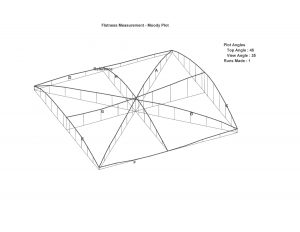
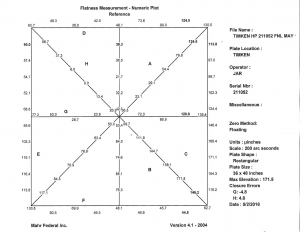
Routine surface plate calibration is necessary to ensure flatness and repeatability over time. The precision measurement group at Cross is ISO 17025 accredited for calibration of surface plate flatness and repeatability. We utilize the Mahr Surface Plate Certification System featuring:
- Moody and Profile Analysis,
- Isometric or Numeric plots,
- Multiple Run Average, and
- Automatic Grading According to Industry Standards.
The Mahr Computer Assisted Model determines any angular or linear deviation from absolute level, and is ideally suited for highly precise profiling of surface plates.
Intervals between calibrations will vary depending on the frequency of use, the environmental conditions where the plate is located, and the specific quality requirements of your company. Properly maintaining your surface plate may allow for longer intervals between each calibration, helps you avoid the added cost of relapping, and most importantly ensures the measurements you obtain on the plate are as accurate as possible. Although surface plates appear robust, they are precision instruments and should be treated as such. Here are some things to consider regarding care of your surface plates:
- Keep the plate clean, and if possible cover it when it is not in use
- Nothing should be placed on the plate other than gages or pieces to be measured.
- Don’t use the same spot on the plate every time.
- If possible, rotate the plate periodically.
- Respect the load limit of your plate
Precision Granite Base Can Improve Machine Tool Performances
Requirements are constantly increasing in mechanical engineering in general and in machine tool construction in particular. Achieving maximum precision and performance values without increasing costs are constant challenges to being competitive. The machine tool bed is a decisive factor here. Therefore, more and more machine tool manufacturers are relying on granite. Due to its physical parameters, it offers clear advantages that cannot be achieved with steel or polymer concrete.
Granite is a so-called volcanic deep rock and has a very dense and homogeneous structure with an extremely low coefficient of expansion, low thermal conductivity and high vibration damping.
Below you will discover why the common opinion that granite is mainly only suitable as machine base for high-end coordinate measuring machines is long outdated and why this natural material as a machine tool base is a very advantageous alternative to steel or cast iron even for high-precision machine tools.
We can manufacture granite components for dynamic motion, granite components for linear motors, granite components for ndt, granite components for xray, granite components for cmm, granite components for cnc, granite precision for laser, granite components for aerospace, granite components for precision stages...
High Added Value Without Additional Costs
The increasing use of granite in mechanical engineering is not so much due to the massive increase in the price of steel. Rather, it is because the added value for the machine tool achieved with a machine bed made of granite is possible at very little or no extra cost. This is proven by cost comparisons of well-known machine tool manufacturers in Germany and Europe.
The considerable gain in thermodynamic stability, vibration damping and long-term precision made possible by granite cannot be achieved with a cast iron or steel bed, or only at relatively high cost. For example, thermal errors can account for up to 75% of the total error of a machine, with compensation often attempted for by software – with moderate success. Due to its low thermal conductivity, granite is the better foundation for long-term precision.
With a tolerance of 1 μm, granite easily meets the flatness requirements according to DIN 876 for the degree of accuracy 00. With a value of 6 on the hardness scale 1 to 10, it is extremely hard, and with its specific weight of 2.8g/cm³ it almost reaches the value of aluminium. This also results in additional advantages such as higher feed rates, higher axis accelerations and an extension of the tool life for cutting machine tools. Thus, the change from a cast bed to a granite machine bed moves the machine tool in question into the high-end class in terms of precision and performance – at no extra cost.
Granite’s Improved Ecological Footprint
In contrast to materials such as steel or cast iron, natural stone does not have to be produced with a great deal of energy and using additives. Only relatively small amounts of energy are required for quarrying and surface treatment. This results in a superior ecological footprint, which even at the end of a machine’s life surpasses that of steel as a material. The granite bed can be the basis for a new machine or be used for completely different purposes such as shredding for road construction.
Nor are there any shortages of resources for granite. It is a deep rock formed from magma within the earth’s crust. It has ‘matured’ for millions of years and is available in very large quantities as a natural resource on almost all continents, including all of Europe.
Conclusion: The numerous demonstrable advantages of granite compared to steel or cast iron justify the increasing willingness of mechanical engineers to use this natural material as a foundation for high-precision, high-performance machine tools. Detailed information about granite properties, which are advantageous for machine tools and mechanical engineering, can be found in this further article.
A repeat measurement is a measurement of local flatness areas. The Repeat Measurement specification states that a measurement taken anywhere on the surface of a plate will repeat within the stated tolerance. Controlling local area flatness tighter than overall flatness guarantees a gradual change in surface flatness profile thereby minimizing local errors.
Most manufacturers, including imported brands, adhere to the Federal Specification of overall flatness tolerances but many overlook the repeat measurements. Many of the low value or budget plates available in the market today will not guarantee repeat measurements. A manufacturer who does not guarantee repeat measurements is NOT producing plates that meet the requirements of ASME B89.3.7-2013 or Federal Specification GGG-P-463c, or DIN 876, GB, JJS...
Both are critical to ensure a precision surface for accurate measurements. Flatness specification alone is not sufficient to guarantee measurement accuracy. Take as an example, a 36 X 48 Inspection Grade A surface plate, which meets ONLY the flatness specification of .000300". If the piece being checked bridges several peaks, and the gage being used is in a low spot, the measurement error could be the full tolerance in one area, 000300"! Actually, it can be much higher if the gage is resting on the slope of an incline.
Errors of .000600"-.000800" are possible, depending upon the severity of the slope, and the arm length of the gage being used. If this plate had a Repeat Measurement specification of .000050"F.I.R. then the measurement error would be less than .000050" regardless of where the measurement is taken on the plate. Another problem, which usually arises when an untrained technician attempts to resurface a plate on-site, is the use of Repeat Measurements alone to certify a plate.
The instruments that are used to verify repeatability are NOT designed to check overall flatness. When set to zero on a perfectly curved surface, they will continue to read zero, whether that surface is perfectly flat or perfectly concave or convex 1/2"! They simply verify the uniformity of the surface, not the flatness. Only a plate that meets both the flatness specification AND the repeat measurement specification truly meets the requirements of ASME B89.3.7-2013 or Federal Specification GGG-P-463c.
Ask us about or flatness specification and repeat measurement promise by calling +86 19969991659 or emailing INFO@ZHHIMG.COM
Yes, but they can only be guaranteed for a specific vertical temperature gradient. The effects of thermal expansion on the plate could easily cause a change in accuracy greater than the tolerance if there is a change in the gradient. In some cases, if the tolerance is tight enough, the heat absorbed from overhead lighting can cause enough of a gradient change over several hours.
Granite has a coefficient of thermal expansion of approximately .0000035 inches per inch per 1°F. As an example: A 36" x 48" x 8" surface plate has an accuracy of .000075" (1/2 of Grade AA) at a gradient of 0°F, the top and bottom are the same temperature. If the top of the plate warms up to the point where it is 1°F warmer than the bottom, the accuracy would change to .000275" convex ! Therefore, ordering a plate with a tolerance tighter than Laboratory Grade AA should only be considered if there is adequate climate control.
A surface plate should be supported at 3 points, ideally located 20% of the length in from the ends of the plate. Two supports should be located 20% of the width in from the long sides, and the remaining support should be centered. Only 3 points can rest solidly on anything but a precision surface.
The plate should be supported at these points during production, and it should be supported only at these three points while in use. Attempting to support the plate at more than three points will cause the plate to receive its support from various combinations of three points, which will not be the same 3 points on which it was supported during production. This will introduce errors as the plate deflects to conform to the new support arrangement. All zhhimg steel stands have support beams designed to line up with the proper support points.
If the plate is properly supported, precise leveling is only necessary if your application calls for it. Leveling is not necessary to maintain the accuracy of a properly supported plate.
Why Choose Granite for Machine Bases and Metrology Components?
The answer is 'yes' for almost every application. The advantages of granite include: No rust or corrosion, almost immune to warping, no compensating hump when nicked, longer wear life, smoother action, greater precision, virtually non-magnetic, low co-efficient of thermal expansion, and low maintenance cost.
Granite is a type of igneous rock quarried for its extreme strength, density, durability, and resistance to corrosion. But granite is also very versatile– it’s not just for squares and rectangles! In fact, Starrett Tru-Stone confidently works with granite components engineered in shapes, angles, and curves of all variations on a regular basis—with excellent outcomes.
Through our state of the art processing, cut surfaces can be exceptionally flat. These qualities make granite the ideal material to create custom-size and custom-design machine bases and metrology components. Granite is:
machineable
precisely flat when cut and finished
rust resistant
durable
long lasting
Granite components are also easy to clean. When creating custom designs, be sure to choose granite for its superior benefits.
STANDARDS / HIGH WEAR APPLICATIONS
The granite utilized by ZhongHui for our standard surface plate products has high quartz content, which provides greater resistance to wear and damage. Our Superior Black and Crystal Pink colors have low water absorption rates, minimizing the possibility of your precision gages rusting while setting on the plates. The colors of granite offered by ZhongHui result in less glare, which means less eyestrain for individuals using the plates. We have chosen our granite types while considering thermal expansion in an effort to keep this aspect minimal.
CUSTOM APPLICATIONS
When your application calls for a plate with custom shapes, threaded inserts, slots or other machining, you’ll want to select a material like Black Diabase. This natural material offers superior stiffness, excellent vibration dampening, and improved machinability.
Yes, if they are not too badly worn. Our factory setting and equipment allow the optimum conditions for proper plate calibration and rework if necessary. Generally, if a plate is within .001" of the required tolerance, it can be resurfaced on-site. If a plate is worn to the point where it is more than .001" out of tolerance, or if it is badly pitted or nicked, then it will need to be sent to the factory for grinding prior to relapping.
Great care should be exercised in selecting an on-site calibration and resurfacing technician. We urge you to use caution in selecting your calibration service. Ask for accreditation and verify the equipment that the technician will use has a National Inspection Institution traceable calibration. It takes many years to learn how to properly lap precision granite.
ZhongHui provides quick turn-around on calibrations performed in our factory. Send your plates in for calibration if possible. Your quality and reputation depend on the accuracy of your measurement instruments including surface plates!
Our black surface plates have a significantly higher density and are up to three times as stiff. Therefore, a plate made of the black does not need to be as thick as a granite plate of the same size to have equal or greater resistance to deflection. Reduced thickness means less weight and lower shipping costs.
Beware of others who use lower quality black granite in the same thickness. As stated above, properties of granite, like wood or metal, vary by material and color, and is not an accurate predictor of stiffness, hardness, or wear resistance. In fact, many types of black granite and diabase are very soft and not suitable for surface plate applications.
No. The specialized equipment and training necessary to rework these items requires that they be returned to the factory for calibration and rework.
Yes. Ceramic and granite have similar characteristics, and the methods used to calibrate and lap granite can be used with ceramic items as well. Ceramics are more difficult to lap than granite resulting in a higher cost.
Yes, provided that the inserts are recessed below the surface. If steel inserts are flush with, or above the surface plane, they must be spot-faced down before the plate can be lapped. If required, we can provide that service.
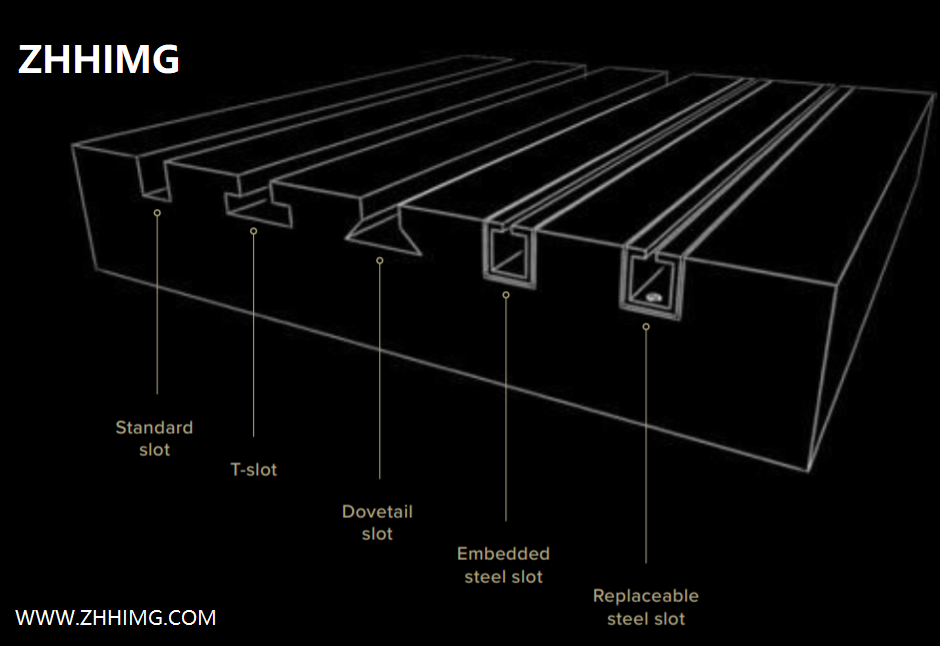
Yes. Steel inserts with the desired thread (English or metric) can be epoxy bonded into the plate at the desired locations. ZhongHui uses CNC machines to provide the tightest insert locations within +/- 0.005”. For less critical inserts, our locational tolerance for threaded inserts is ±.060". Other options include steel T-Bars and dovetail slots machined directly into the granite.
Inserts that are properly bonded using high strength epoxy and good workmanship will withstand a great deal of torsional and shear force. In a recent test, using 3/8"-16 threaded inserts, an independent testing laboratory measured the force required to pull an epoxy-bonded insert from a surface plate. Ten plates were tested. Out of these ten, in nine cases, the granite fractured first. The average load at the point of failure was 10,020 lbs. for gray granite and 12,310 lbs. for black. In the single case where an insert pulled free of the plate, the load at the point of failure was 12,990 lbs.! If a work piece forms a bridge across the insert and extreme torque is applied, it is possible to generate enough force to fracture the granite. Partially for this reason, ZhongHui gives guidelines for the maximum safe torque that can be applied the epoxy bonded inserts: https://www.zhhimg.com/standard-thread-inserts-product/
Yes, but only at our factory. At our plant, we can restore almost any plate to 'like-new' condition, usually for less than half the cost of replacing it. Damaged edges can be cosmetically patched, deep grooves, nicks, and pits can be ground out, and the attached supports can be replaced. In addition, we can modify your plate to increase its versatility by adding solid or threaded steel inserts and cutting slots or clamping lips, per your specifications.
Why Choose Granite?
Granite is a type of igneous rock formed in the Earth millions of years ago. The composition of igneous rock contained many minerals such as quartz that is extremely hard and wear-resistant. In addition to hardness and wear resistance granite has approximately half the coefficient of expansion as cast iron. As its volumetric weight is approximately one third that of cast iron, granite is easier to manoeuvre.
For machine bases and metrology components, black granite is the colour most used. Black granite has a higher percentage of quartz than other colours and is, therefore, the hardest wearing.
Granite is cost-effective, and cut surfaces can be exceptionally flat. Not only can it be hand lapped to achieve extremes of accuracy, but re-conditioning can be performed without moving the plate or table off-site. It is entirely a hand lapping operation and generally costs much less than re-conditioning a cast iron alternative.
These qualities make granite the ideal material to create custom-size and custom-design machine bases and metrology components such as the granite surface plate.
ZhongHui produces bespoke granite products that are created to support specific measurement requirements. These bespoke items vary from straight edges to tri squares. Due to the versatile nature of granite, the components can be produced to any size required; they are hard wearing and long-lasting.
Advantages of Granite Surface Plates
The importance of measuring on an even surface was established by British inventor Henry Maudsley in the 1800s. As a machine tool innovator, he determined that consistent production of parts required a solid surface for reliable measurements.
The industrial revolution created a demand for measuring surfaces, so engineering company Crown Windley created manufacturing standards. The standards for surface plates were first set by Crown in 1904 using metal. As the demand and cost for metal increased, alternative materials for the measuring surface were investigated.
In America, monument creator Wallace Herman established that black granite was an excellent surface plate material alternative to metal. As granite is non-magnetic and doesn’t rust, it soon became the preferred measuring surface.
A granite surface plate is an essential investment for laboratories and test facilities. A granite surface plate of 600 x 600 mm can be mounted on a support stand. The stands provide a working height of 34” (0.86m) with five adjustable points for levelling.
For reliable and consistent measurement results, a granite surface plate is crucial. As the surface is a smooth and stable plane, it enables instruments to be carefully manipulated.
The main advantages of granite surface plates are:
• Non-reflective
• Resistant to chemicals and corrosion
• Low coefficient of expansion compared with cart iron so less affected by temperature change
• Naturally rigid and hard-wearing
• The plane of the surface is unaffected if scratched
• Will not rust
• Non-magnetic
• Easy to clean and maintain
• Calibration and resurfacing can be done onsite
• Suitable for drilling for threaded support inserts
• High vibration damping
For many shops, inspection rooms and laboratories, precision granite surface plates are relied on as the basis for accurate measurement. Because every linear measurement depends on an accurate reference surface from which final dimensions are taken, surface plates provide the best reference plane for work inspection and layout prior to machining. They also are ideal bases for making height measurements and gaging surfaces. Further, a high degree of flatness, stability, overall quality and workmanship make them a good choice for mounting sophisticated mechanical, electronic and optical gaging systems. For any of these measurement processes, it is imperative to keep surface plates calibrated.
Repeat Measurements and Flatness
Both flatness and repeat measurements are critical to ensure a precision surface. Flatness can be considered as all points on the surface being contained within two parallel planes, the base plane and the roof plane. The measurement of distance between the planes is the overall flatness of the surface. This flatness measurement commonly carries a tolerance and may include a grade designation.
The flatness tolerances for three standard grades are defined in the federal specification as determined by the following formula:
Laboratory Grade AA = (40 + diagonal² / 25) x 0.000001 inch (unilateral)
Inspection Grade A = Laboratory Grade AA x 2
Tool Room Grade B = Laboratory Grade AA x 4
In addition to flatness, repeatability must be ensured. A repeat measurement is a measurement of local flatness areas. It is a measurement taken anywhere on the surface of a plate that will repeat within the stated tolerance. Controlling local area flatness to a tighter tolerance than overall flatness guarantees a gradual change in surface flatness profile, thereby minimizing local errors.
To ensure a surface plate meets both the flatness and repeat measurement specifications, manufacturers of granite surface plates should use Federal Specification GGG-P-463c as a basis for their specifications. This standard addresses repeat measurement accuracy, material properties of surface plate granites, surface finish, support point location, stiffness, acceptable methods of inspection and installation of threaded inserts.
Before a surface plate has worn beyond specification for overall flatness, it will show worn or wavy posts. Monthly inspection for repeat measurement errors using a repeat reading gage will identify wear spots. A repeat reading gage is a high-precision instrument that detects local error and can be displayed on a high magnification electronic amplifier.
Checking Plate Accuracy
By following a few simple guidelines, an investment in a granite surface plate should last for many years. Depending on plate usage, shop environment and required accuracy, frequency of checking the surface plate accuracy varies. A general rule of thumb is for a new plate to receive a full recalibration within one year of purchase. If the plate is used frequently, it is advisable to shorten this interval to six months.
Before a surface plate has worn beyond specification for overall flatness, it will show worn or wavy posts. Monthly inspection for repeat measurement errors using a repeat reading gage will identify wear spots. A repeat reading gage is a high-precision instrument that detects local error and can be displayed on a high magnification electronic amplifier.
An effective inspection program should include regular checks with an autocollimator, providing actual calibration of overall flatness traceable to National Institute of Standards and Technology (NIST). Comprehensive calibration by the manufacturer or an independent company is necessary from time to time.
Variations Between Calibrations
In some cases, there are variations between surface plate calibrations. Sometimes factors such as surface change resulting from wear, incorrect use of inspection equipment or use of noncalibrated equipment can account for these variations. The two most common factors, however, are temperature and support.
One of the most important variables is temperature. For instance, the surface might have been washed with a hot or cold solution prior to calibration and not allowed sufficient time to normalize. Other causes of temperature change include drafts of cold or hot air, direct sunlight, overhead lighting or other sources of radiant heat on the surface of the plate.
There also can be variations in the vertical temperature gradient between winter and summer. In some cases, the plate is not allowed sufficient time to normalize after shipment. It is a good idea to record the vertical gradient temperature at the time the calibration is performed.
Another common cause for calibration variation is a plate that is improperly supported. A surface plate should be supported at three points, ideally located 20% of the length in from the ends of the plate. Two supports should be located 20% of the width in from the long sides, and the remaining support should be centered.
Only three points can rest solidly on anything but a precision surface. Attempting to support the plate at more than three points will cause the plate to receive its support from various combinations of three points, which will not be the same three points on which it was supported during production. This will introduce errors as the plate deflects to conform to the new support arrangement. Consider using steel stands with support beams designed to line up with the proper support points. Stands for this purpose are generally available from the surface plate manufacturer.
If the plate is properly supported, precise leveling is only necessary if an application specifies it. Leveling is not necessary to maintain the accuracy of a properly supported plate.
It is important to keep the plate clean. Airborne abrasive dust is usually the greatest source of wear and tear on a plate, as it tends to embed in workpieces and the contact surfaces of gages. Cover plates to protect them from dust and damage. Wear life can be extended by covering the plate when not in use.
Extend Plate Life
Following a few guidelines will reduce wear on a granite surface plate and ultimately, extend its life.
First, it is important to keep the plate clean. Airborne abrasive dust is usually the greatest source of wear and tear on a plate, as it tends to embed in workpieces and the contact surfaces of gages.
It also is important to cover plates to protect it from dust and damage. Wear life can be extended by covering the plate when not in use.
Rotate the plate periodically so that a single area does not receive excessive use. Also, it is recommended to replace steel contact pads on gaging with carbide pads.
Avoid setting food or soft drinks on the plate. Many soft drinks contain either carbonic or phosphoric acid, which can dissolve the softer minerals and leave small pits in the surface.
Where to Relap
When a granite surface plate needs re-surfacing, consider whether to have this service performed on-site or at the calibration facility. It is always preferable to have the plate relapped at the factory or a dedicated facility. If, however, the plate is not too badly worn, generally within 0.001 inch of the required tolerance, it can be resurfaced on-site. If a plate is worn to the point where it is more than 0.001 inch out of tolerance, or if it is badly pitted or nicked, then it should be sent to the factory for grinding prior to relapping.
A calibration facility has the equipment and factory setting providing the optimum conditions for proper plate calibration and rework if necessary.
Great care should be exercised in selecting an on-site calibration and resurfacing technician. Ask for accreditation and verify the equipment that the technician will use has a NIST-traceable calibration. Experience also is an important factor, as it takes many years to learn how to correctly lap precision granite.
Critical measurements start with a precision granite surface plate as a baseline. By ensuring a reliable reference by using a properly calibrated surface plate, manufacturers have one of the essential tools for reliable measurements and better quality parts.
Checklist for Calibration Variations
- The surface was washed with a hot or cold solution prior to calibration and was not allowed sufficient time to normalize.
- The plate is improperly supported.
- Temperature change.
- Drafts.
- Direct sunlight or other radiant heat on the surface of the plate. Be sure that overhead lighting is not heating the surface.
- Variations in the vertical temperature gradient between winter and summer. If at all possible, know the vertical gradient temperature at the time the calibration is performed.
- Plate not allowed sufficient time to normalize after shipment.
- Improper use of inspection equipment or use of noncalibrated equipment.
- Surface change resulting from wear.
Tech Tips
Because every linear measurement depends on an accurate reference surface from which final dimensions are taken, surface plates provide the best reference plane for work inspection and layout prior to machining.
Controlling local area flatness to a tighter tolerance than overall flatness guarantees a gradual change in surface flatness profile, thereby minimizing local errors.